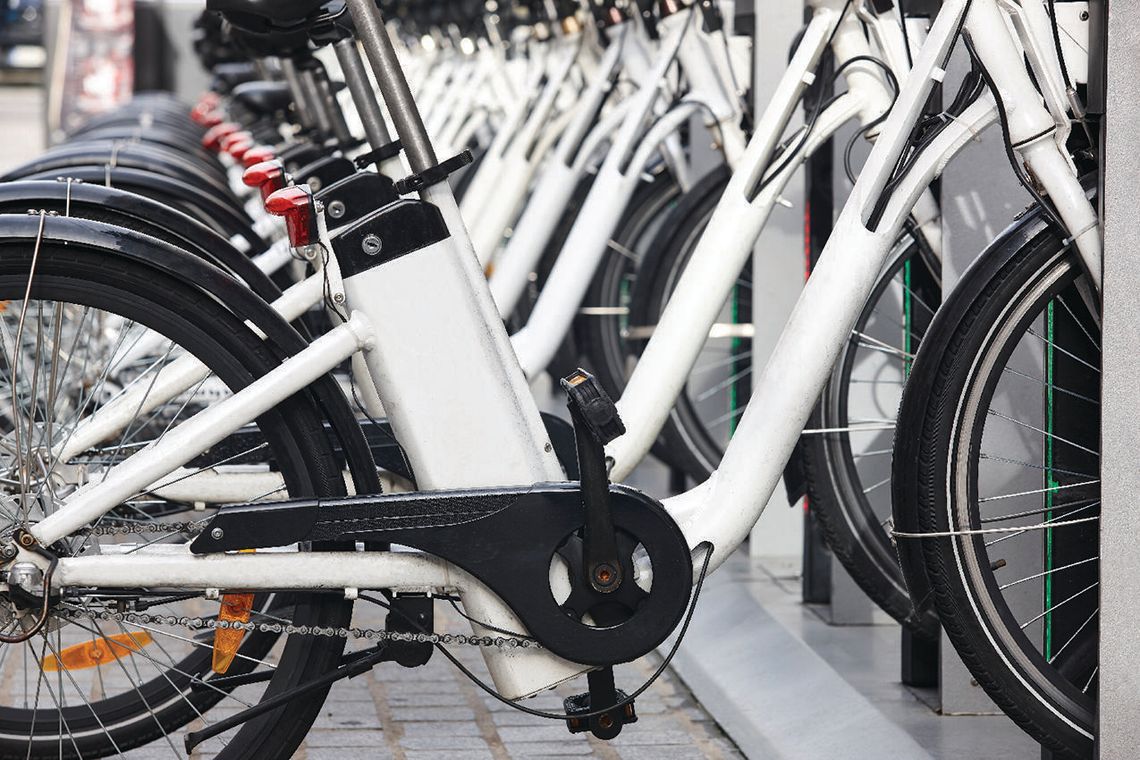
As e-bikes and e-scooters surge in popularity, AAA – The Auto Club Group is providing its new “E-Ride Ready” campaign to help parents better understand the risks associated with these fast-moving devices and take steps to prevent serious injuries.
“E-rides have spread so quickly that laws, infrastructure, and safety awareness haven’t kept pace. That leaves many parents trying to figure out what’s safe, what’s allowed, and what rules to set. AAA’s E-Ride Ready campaign helps to close that gap,” stated Brian Ortner, spokesman for AAA--The Auto Club Group.
At the center of the campaign is The Auto Club Group’s new E-Ride Safety Guide, a free resource that helps families: understand how e-bikes and e-scooters operate, choose helmets designed for the speed and type of device, identify where riders can safely and legally ride and set clear safety expectations before a child’s first ride.
This campaign comes amid growing concern nationwide about injuries involving young e-riders. A U.S. Consumer Product Safety Commission review found micromobility-related injuries rose an average of 23 percent from 2017 to 2022, contributing to an estimated 360,800 emergency department visits and 233 deaths. Medical experts say e-ride crashes commonly involve vehicles, pedestrians, and fixed objects such as curbs and mailboxes.
“As e-rides become more common, younger riders are often sharing the road with traffic before they fully understand how to navigate it safely. When you combine higher speeds with limited experience, the risk of a serious crash increases quickly. That’s why it’s critical for parents to stay involved and set clear expectations before a child rides,” Ortner continued.
Helmets Save Lives
Medical experts say helmets significantly reduce the risk of serious head injuries, yet many young riders go without one or use helmets that are not designed for higher-speed devices.
“Helmets can make all the difference in a crash. Parents should make sure riders wear a properly fitted helmet on every ride and ensure it matches the speed and capabilities of the device. AAA’s new E-Ride Safety Guide helps families understand the different standards and when they apply,” Ortner noted.
E-Ride Laws Vary By Location
Confusion about e-bike and e-scooter laws can create additional risk for families. Rules governing rider age, helmet requirements, and where devices can operate often vary widely by state and local communities.
Federal law generally defines a low-speed e-bike as a two- or three-wheeled vehicle with fully operable pedals, a motor of 750 watts or less, and top assisted speeds ranging from 20 to 28 mph, depending on classification. Some higher-speed devices commonly used by teens may fall outside traditional e-bike classifications altogether and require a driver’s license and registration.
Nebraska Law at a Glance
No statewide minimum age for e-scooter riders. Helmet required on e-bikes and e-scooters for 18 years of age and younger. E‑bikes may ride where bicycles are allowed. Sidewalk riding is generally permitted statewide. Public trail use as permitted. Local municipalities may have specific restrictions. E-bikes and bicyclists must follow the same rules of the road as drivers, such as, honoring stop signs and traffic signals.
AAA encourages families to review their state and local laws before allowing children or teens to ride. The E-Ride Safety Guide also highlights safe riding locations and encourages families to prioritize environments with less traffic and fewer hazards.
AAA’s E-Ride Ready campaign encourages families to: know the speed and capabilities of the device; require properly fitted helmets, rated for the e-ride’s top speed; understand where e-rides can legally and safely operate and practice safe riding habits around traffic and pedestrians.
The free E-Ride Safety Guide includes: an overview of e-bike and e-scooter types and performance differences, helmet guidance and safety checklists, tips for riding around traffic and pedestrians, safety conversation starters for parents and young riders and safety tips for drivers and e-riders.
As e-rides become more common in neighborhoods and on roadways, AAA says preparation is critical to preventing injuries.
“E-bikes and e-scooters can be a fun and convenient way to get around, but they require more awareness and responsibility than many families expect. When parents understand the risks and set clear expectations, they can help prevent crashes before they happen,” Ortner concluded.
Families can download AAA’s free E-Ride Safety Guide at sm.AAA/ERideReady.
Ad

AAA-’E-Ride Ready’ Campaign Resources Available to Help Prevent E‑Bike and E-Scooter Injuries
07/23/2026 10:28 AM